If you've ever handed over a favorite blazer or a wedding dress for alterations and gotten it back looking worse, you already know why trust matters here. Most advice tells you to ask a tailor a string of questions before committing anything, but a shop's work speaks for itself long before anyone answers out loud.
Finished garments hang in plain sight, machines usually sit right in the open, and how a coat gets treated on the rack says as much as any conversation. Here's what to look for, in order, and the one question worth asking once you have.
Before anything else, ask to see a finished garment. A shop that does good work is usually glad to show it off. One that hesitates, or has nothing to show you, tells you something on its own.
Look at the inside, not the outside. Anyone can make a hem look fine from the front. Turn it over.
This one look tells you more about the actual skill level in a shop than anything a person could say about their experience.
A shop's display piece is their best work, not their typical work. Ask about a recent alteration instead: a hem shortened, a jacket taken in, a gown resized. A shop that can describe what that job actually needed speaks from experience. A vague answer about matching the original stitching every time means they're guessing.
Storage costs a shop nothing to get right, which is exactly why it's worth watching. Look at how the pieces waiting for pickup, or waiting to be worked on, are handled.
A shop that lets an expensive coat go slack-shouldered on a wire hanger while it waits for pickup doesn't think about the garment once the sewing is done. That's the same mindset that shows up in the stitching.
Look for a separate rack or rail for garments that are cut, pinned, or mid-alteration. When those pieces mix in with finished, ready-for-pickup items, pins get lost, chalk marks get bumped off, and pieces get handed to the wrong customer. A shop with a visibly separate holding area for in-progress work has a system. One where everything hangs together relies on memory.
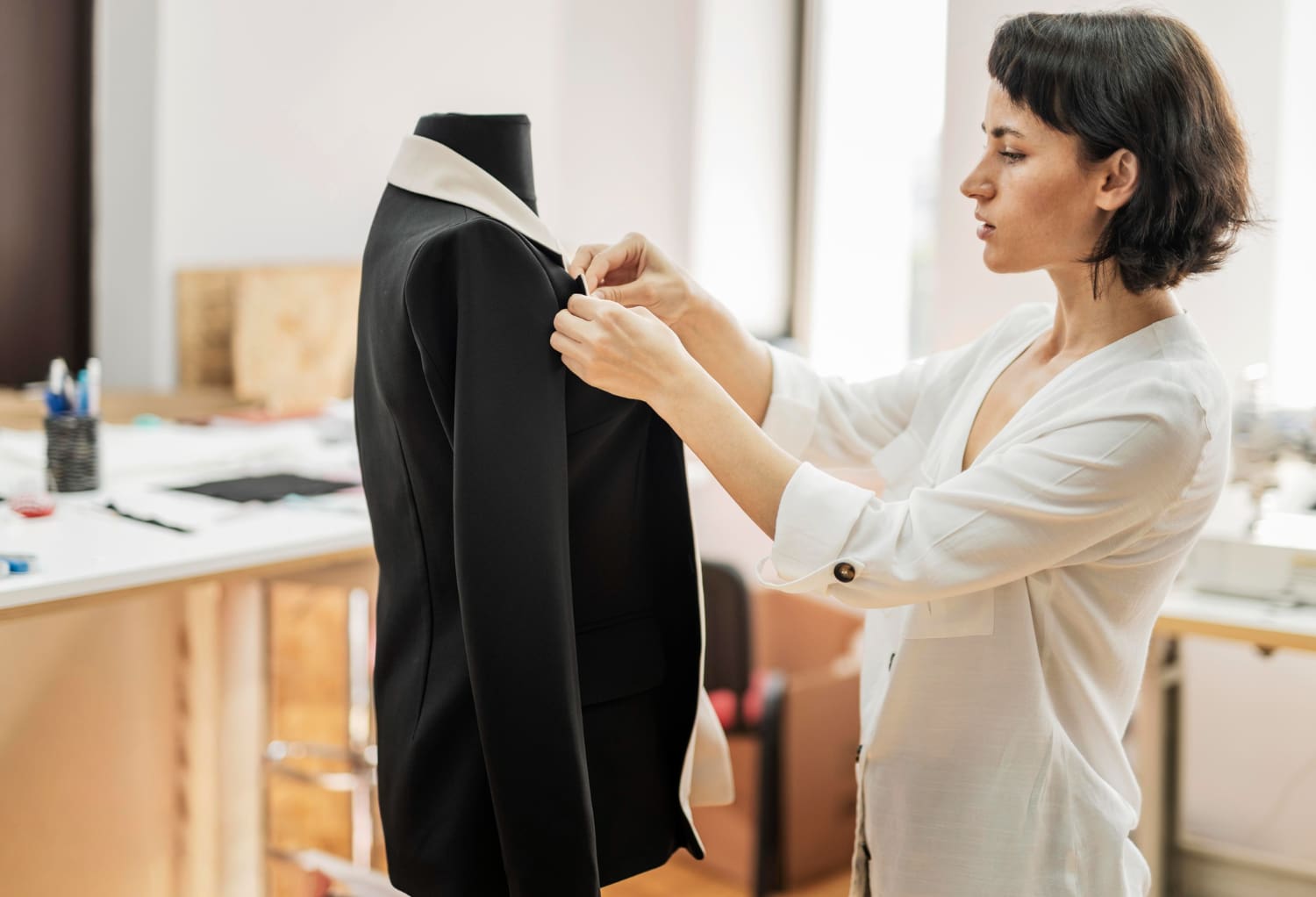
Fitting is where alteration accuracy actually gets decided, and it needs the right conditions to be accurate.
If pinning happens standing in the middle of the shopfront under one overhead light, the fit you get reflects those conditions. This isn't about comfort. It's about whether or not the tailor can actually see what they're doing.
A hemline, a jacket's back seam, and how a garment sits across the shoulder blades are all areas a front-facing mirror can't show the tailor pinning it. If there's no way to check the back of the garment while it's being fitted, either on you or with a hand mirror, that's a setup built for speed rather than precision. Ask how they check the back before you assume it's covered.
This is the one look that takes a request, and it's worth asking. You don't need to know what each machine does. You need to see if the equipment matches the work being promised.
Ask specifically about pressing equipment. A press that sets a crease and reshapes a seam is what makes alterations disappear into the garment instead of looking altered.
Alterations are judged by how invisible they are, and pressing does most of that work. A let-out or taken-in seam needs to be steamed and reshaped back into the fabric's original line. Skip that step and even a correct seam looks obviously altered. A proper press set up as its own station, not shoved in a corner, shows a shop that treats finishing as part of the job.
Mention, in passing, roughly what the garment costs or means to you. Then watch how the reaction changes.
A tailor who becomes more careful, asking more questions about the fabric and the construction, responds correctly. One who becomes noticeably more enthusiastic at the number rather than the garment responds to the price, not the work.
That's a genuine behavioral tell, not a vague impression, and it's worth testing deliberately before you commit anything valuable.
Describe the garment and what you want done, then ask what they wouldn't do to it. A skilled tailor names a limit: not enough seam allowance, a lining that won't survive unpicking, a silhouette that would change more than you'd want.
That answer means they spotted a problem before it became yours. A tailor who says yes to everything without a close look either hasn't examined it or isn't paying attention, and on something you can't replace, that difference matters.
The words matter less than what happens right before them. A tailor who picks up the garment, turns it over, checks the seam allowance or the lining before answering is examining the actual object in front of them. One who answers instantly, before touching the garment, is answering from habit rather than from what your specific piece needs. The pause is the tell.
If you're there because a previous alteration went badly, that experience is useful information, not just a bad memory. What failed tells you which signal above to weigh most heavily this time.
It's tempting to focus on the finished result that went wrong rather than the step that caused it. A gaping waistband looks like a fit problem, but it can also trace back to marking the garment on a bad mirror setup or pinning it in poor light. Trace the failure back to the step, not just the visible symptom, and you'll know exactly what to check first this time.
You now have a practical checklist to evaluate a tailor: look at the work area, notice how garments are stored and handled, pay attention to how your concerns are received, and ask questions before committing to an alteration. The goal isn't to take anyone's word for it, but to feel confident about who you trust with your clothes.
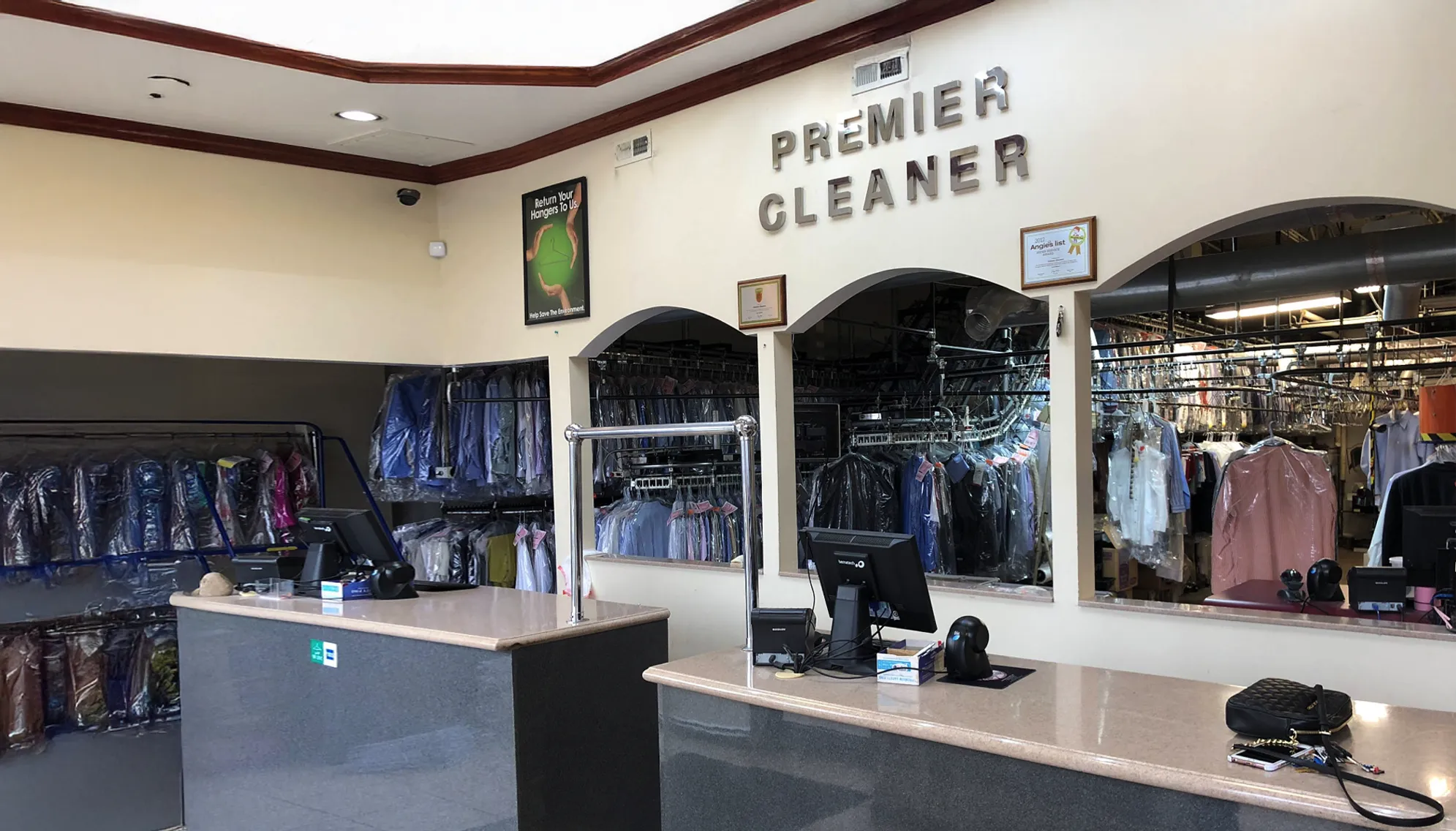
At Premier Cleaners, we take the time to understand how you want your garment to fit before making adjustments. From measuring and marking to refining the final fit, each alteration is approached with attention to the garment's construction, proportions, and your preferences, whether you bring in a suit, a gown, or a favorite piece you've been hesitant to hand over.
Bring one garment to Premier Cleaners in Carmel, Indiana and use the checklist for yourself. Ask questions, tell us what isn't working about the fit, and see if our approach gives you the confidence you're looking for in a tailor.
Address: 154 medical drive Suite #100 Carmel Indiana 46032
Phone:+1 317-848-1960